The gap this closes

Typical time from the first alert to someone seeing the scene on a mid-sized campus. Lantern’s time is our design target; Chula Vista PD’s drone program averages about 97 seconds.

Lantern overheaddesign target, nearest dock
1 min 30 s
First patrol caron a good day
8 min
First patrol caracross campus, during class change
12 min

What happens when a camera sees something

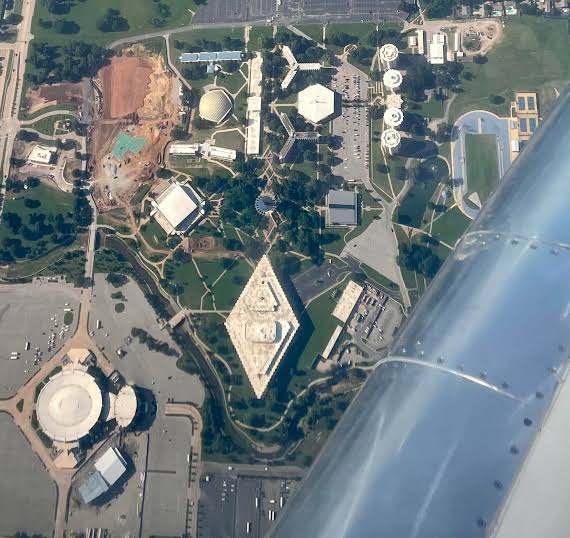
Aerial view of the campus
The campus at rest. Camera stations watching, drones docked on a rooftop near the center. 0:00 A camera station flags a person in the arena lot after hours. 0:10 The closest drone launches from its dock and flies itself there. 1:30 Live RGB and thermal video in the security office. The camera keeps watching.

A camera station flags activity

360° stations watch lots, perimeters and quiet corners around the clock. When one sees a person, vehicle or heat source where there shouldn’t be one, it raises an alert. Blue-light phones, alarms and 911 calls can trigger it too.

The closest drone goes to look

Lantern picks the nearest drone with the battery to make the trip. Its dock opens and it flies itself to the spot, so no officer has to leave the security office to launch it.

Security sees it live, even in the dark

RGB and thermal video reaches the security office and every officer’s phone, while the fixed camera keeps watching the wider area. Often it shows that nothing is happening at all. Then the drone returns to its dock to charge.

Three parts. One system.

Figures below are design targets for the product. Today we fly a working prototype: an X650 airframe on a Pixhawk flight controller running PX4, with an NVIDIA Jetson Orin NX onboard computer.

Camera station

The eyes that never leave. A 360° station on a pole or rooftop that watches its area and calls a drone when it sees something worth a closer look.

Field of view
360°, day and night
Detects
People, vehicles and heat sources
On an alert
Calls the closest drone, keeps watching
Mounting
Light pole, wall or rooftop
Processing
On the station, not in the cloud

Response drone

A shared responder. Any drone can answer any station, so a campus needs fewer drones than cameras. White shell, guarded props, and your safety office's name on the side.

Motor to motor
400 mm
Weight
2.0 kg all-up
Endurance
35 min, full payload
Cameras
RGB zoom and 640 × 512 thermal
Weather
−10 °C to 45 °C, gusts to 25 kt
Safety
ADS-B receiver and parachute

Dock

A rooftop box that opens, launches, catches and charges a drone with no one present.

Coverage
About half a mile, 90 s to overhead
Landing
Within 10 cm, self-centering pad
Recharge
To 80% in 35 min
Climate
Heated and cooled, cold starts year-round
Power loss
Two launches on battery backup
Build
3D-printed prototype at ORU

Starting on campus. Built for any large property.

We’re starting with campus security at Oral Roberts University in Tulsa. ORU sits inside the Class D airspace of Tulsa Riverside Airport, so our first phase flies the full detect-to-return workflow with a certified pilot keeping the drone in sight, under FAA airspace authorization.

Full autonomy comes next, once we hold a waiver to fly beyond visual line of sight, backed by ADS-B receivers on every drone, ground-based radar, and parachutes for flights over people.

The same system fits anywhere the grounds are large and empty at night and a closer look is worth something before anyone drives out.

Who Lantern is forStatus
Campus securityUniversitiesNow, at ORU
Police departmentsDrone-first-responder programsNext
Construction sitesEquipment and materials theftNext
Farms and ranchesLivestock, fuel, gatesExploring
Mining operationsPerimeters and remote sitesExploring

Lines we don’t cross

  • Identify people.No facial recognition, no biometrics. Not configurable, not available.
  • Decide someone is a threat.Cameras flag people, vehicles and heat where none should be. A person on your team looks at the video and decides what it means.
  • Fly without a reason.Drones don’t sweep the campus on a schedule. They stay docked until a camera, sensor or alarm gives them one, and return when the look is done.
  • See indoors.It gives you the building, the entrances, the exits and the approach. It does not give you the hallway.
  • Look where you've said it can't.Residence hall windows, the health center, the neighbors' property. Drones won’t fly there and cameras mask them out, enforced in software, not in a policy binder.
  • Keep footage it doesn't need.Camera and flight footage with no incident deletes itself on a short clock you set. Every view is logged.
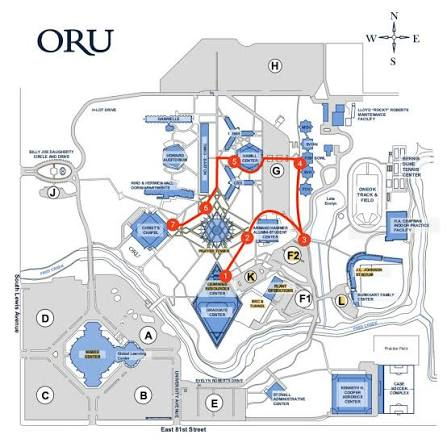
Illustrated campus map